What You'll Learn
- How to set a clear, measurable goal for your ebook before you write a single page
- Which pre-launch tactics build an audience before your ebook is even finished
- How to promote a published ebook without relying on outdated tools or platforms
- What makes an ebook landing page convert, and what makes it rank
- How to optimize your ebook content and landing page for AI Overviews and AI Mode
- What mistakes most commonly stall ebook marketing results
Editor's Note: This post was originally published in August 2017 and has been updated with new content and details in August 2026.
Why eBook Marketing Works for Lead Generation
An ebook gives you a reason to ask for contact details in exchange for something genuinely useful. That trade is why ebooks remain one of the most reliable lead magnets in B2B marketing.
The global ebook market is projected to reach $14.9 billion in 2025, up from $14.6 billion in 2024, and ebooks continue to be the most popular content format among demand generation teams.
Beyond lead volume, an ebook does three things at once:
- Builds trust. A well-written ebook answers a real question in enough depth to prove you understand the problem.
- Establishes authority. Readers who finish your ebook see you as a credible source, not just another vendor.
- Feeds your funnel. Every download becomes a contact you can nurture toward a sales conversation.
A successful ebook campaign starts with a clear purpose. Decide whether your main goal is lead generation, brand awareness, audience growth, or direct revenue. Your goal determines your content format, promotion channels, landing page strategy, and how you measure success.
The Benefits of Selling an eBook
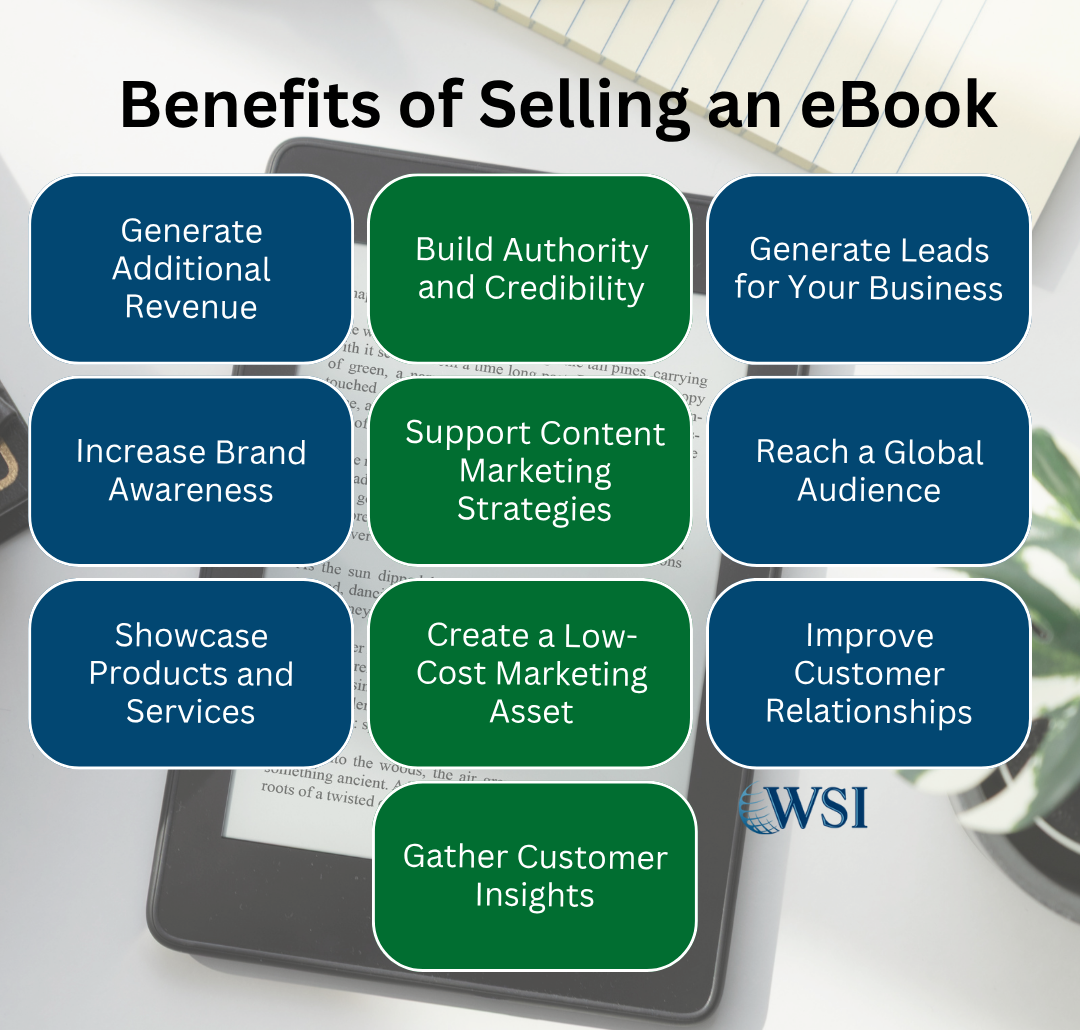
Generate Additional Revenue
- An eBook can become a source of ongoing income after the initial creation.
- You can sell it directly through your website, online marketplaces, or digital platforms.
- Unlike physical books, there are no printing, storage, or shipping costs.
Build Authority and Credibility
- An eBook allows you to demonstrate your expertise in a specific topic.
- It can help position you as a trusted source of information in your industry.
- Businesses can use eBooks to showcase solutions, knowledge, and experience.
Generate Leads for Your Business
- Many companies offer eBooks in exchange for a visitor’s contact details.
- This helps grow email lists and create opportunities for future marketing campaigns.
- A well-targeted eBook can attract people who are already interested in your products or services.
Increase Brand Awareness
- An eBook can introduce your brand to new audiences.
- Readers may share valuable content with colleagues, friends, or online communities.
- It helps extend your reach beyond traditional marketing channels.
Support Content Marketing Strategies
- eBooks provide long-form content that can be reused across blogs, social media, email campaigns, and webinars.
- They can support SEO efforts by targeting important customer questions and search topics.
- They give your audience useful information that builds trust over time.
Reach a Global Audience
- Digital books can be purchased and accessed from anywhere in the world.
- You can market to different regions without managing physical distribution.
- Content can also be adapted for different languages or markets.
Showcase Products and Services
- Businesses can use eBooks to explain complex topics, share customer success stories, or educate buyers.
- They help potential customers understand the value of a solution before making a purchase decision.
Create a Low-Cost Marketing Asset
- Once created, an eBook can continue supporting your marketing efforts for months or years.
- It can work alongside SEO, paid advertising, and email marketing campaigns.
Improve Customer Relationships
- Providing useful information helps customers see your business as a helpful resource.
- Educational content can improve engagement and encourage repeat interactions.
Gather Customer Insights
- Tracking downloads, sales, and reader engagement can reveal what topics interest your audience.
- This information can help guide future content and marketing decisions.
Fundamentals of eBook Marketing
Key components of a successful eBook include:
1. Define Your Target Audience
Before creating or promoting an eBook, understand who it is for.
Consider:
- Who are your ideal readers?
- What problems do they need to solve?
- What topics interest them?
- Where do they search for information online?
- What formats do they prefer, such as Kindle, PDF, or mobile reading?
Creating buyer personas helps you develop content that matches your audience’s needs.
The best-performing ebooks solve a specific problem for a specific audience. Before creating content, understand your readers’ challenges, search behavior, and buying journey. A focused ebook is more likely to attract qualified prospects than a broad resource that tries to appeal to everyone.
2. Create Valuable Content
A successful eBook should provide useful information, practical advice, or unique insights.
Good eBooks:
- Solve a specific problem
- Answer common questions
- Provide clear steps or guidance
- Show expertise and credibility
- Offer information readers cannot easily find elsewhere
Quality content helps build trust and encourages readers to engage with your brand.
3. Optimize Your eBook for Search
Search optimization helps readers discover your eBook.
Focus on:
- Using relevant keywords in the title and description
- Writing a clear, benefit-focused summary
- Optimizing the eBook's landing page for search engines
- Including internal links from related website content
- Creating supporting blog articles around the topic
For long-term visibility, continue updating and promoting your eBook as search trends change.
4. Build a Dedicated Landing Page
A landing page gives your eBook a central place where visitors can learn more and download it.
An effective landing page should include:
- A strong headline
- A clear explanation of the eBook’s benefits
- A preview of what readers will learn
- Author or company credibility information
- A simple download form
- A clear call to action
Keep forms short. Asking for too much information can reduce conversions.
Your landing page plays a key role in turning visitors into leads. Keep the message clear, highlight the benefits, reduce distractions, and make the download process simple. Every element should help visitors understand why the ebook is worth their contact information.
5. Use Email Marketing
Email remains one of the strongest channels for promoting eBooks.
Strategies include:
- Announcing the eBook launch to your audience
- Sending follow-up emails to people who download it
- Sharing related content and resources
- Nurturing leads through targeted campaigns
Segment your email list so readers receive content that matches their interests.
6. Promote Through Multiple Channels
Use different channels to reach potential readers.
Options include:
- Website content
- Blog posts
- Social media platforms
- Paid search advertising
- Online communities
- Partner promotions
- Industry newsletters
The best channels depend on your audience and business goals.
A strong ebook campaign usually combines several channels, such as search, email, social media, paid advertising, and website content. The right mix depends on your audience. Focus your effort on the channels where your potential readers already spend time.
7. Use Paid Advertising Carefully
Paid campaigns can help increase visibility, especially when launching a new eBook.
Common options include:
- Google Ads for people searching related topics
- Social media ads targeting specific audiences
- Retargeting campaigns for website visitors
Track metrics such as:
- Cost per lead
- Download rate
- Conversion rate
- Lead quality
Adjust campaigns based on results.
8. Measure Performance
Tracking results helps you understand what works.
Important metrics include:
- Number of downloads
- Website traffic from the campaign
- Email sign-ups
- Engagement rates
- Sales influenced by the eBook
- Lead conversion rates
Use analytics data to improve future content campaigns.
Downloads are useful, but they do not tell the full story. Track what happens after someone downloads your ebook. Look at email engagement, website activity, sales conversations, and conversions to understand whether the campaign is attracting the right audience.
9. Repurpose eBook Content
An eBook can become the foundation for other marketing activities.
You can turn sections into:
- Blog articles
- Social media posts
- Videos
- Webinars
- Email newsletters
- Infographics
This extends the value of your original content.
Your ebook can support months of marketing activity. Turn key sections into blog posts, social media content, videos, webinars, and email campaigns. Repurposing helps you reach people who prefer different content formats while extending the value of your original research.
10. Keep Improving Your Strategy
eBook marketing is an ongoing process. Review performance regularly and refine your approach.
Successful eBook campaigns combine:
- Clear audience understanding
- High-quality content
- Strong promotion
- Search optimization
- Continuous measurement and improvement
A well-planned eBook can help businesses generate leads, build authority, and create stronger relationships with potential customers.
Pre-Launch Ebook Marketing Strategies
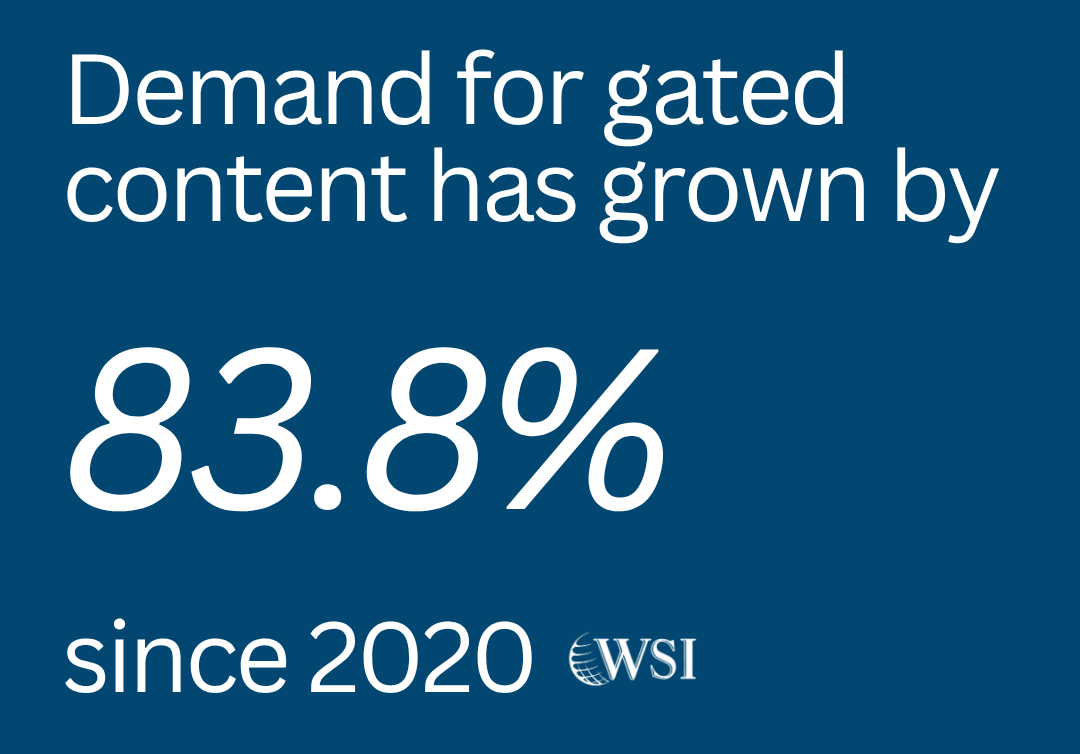
Demand for gated content has grown by 83.8% since 2020, which means the audience for a well-promoted ebook is still there. The work happens before launch.
Build Your Email List Before You Launch
Collecting email addresses is the most effective way to build interest ahead of an ebook launch. Use an email-gated pre-launch landing page to start capturing leads before the ebook is finished, then send regular updates as the release date approaches.
Create a Pre-Launch Landing Page
A dedicated landing page gives you one place to send traffic from every other channel. Keep the copy focused on the problem the ebook solves, not just its table of contents, and include social sharing buttons so early visitors can spread the word.
Use Targeted Social Ads to Build Awareness
Platforms like Facebook Ads allow tight audience targeting, which makes them a cost-effective way to build page Likes and drive traffic to your pre-launch landing page. Pair paid promotion with an automated email sequence so new subscribers hear from you consistently, not just once.
The launch date should not be the first time people hear about your ebook. Start building awareness early with a waitlist, teaser content, email updates, and conversations with your audience. A prepared audience can help create stronger early engagement when the ebook goes live.
How to Market an eBook
Instead of a strategy with too many tactics, we wanted a guide to marketing our eBook that narrows our focus and trims the overall output. After much discussion, we launched an eBook marketing strategy – and here’s how we did it.
The Goal of Our eBook Marketing Strategy
For our eBook marketing strategies, the main goal is to generate qualified leads. In this case, a lead is “qualified” when they fill out a contact form, essentially telling us, “Hey, we need your help!”
Simple, right? Every business needs qualified leads. But we’re constantly surprised by how many businesses take a lackadaisical approach to filling their marketing funnel.
Granted, it takes time and a lot of research to put together an effective marketing strategy, but it’s well worth the effort. By outlining our eBook marketing strategy, we hope to provide a blueprint for businesses wondering where to start.
Pre-Launch Strategy Tactics for Launching an eBook
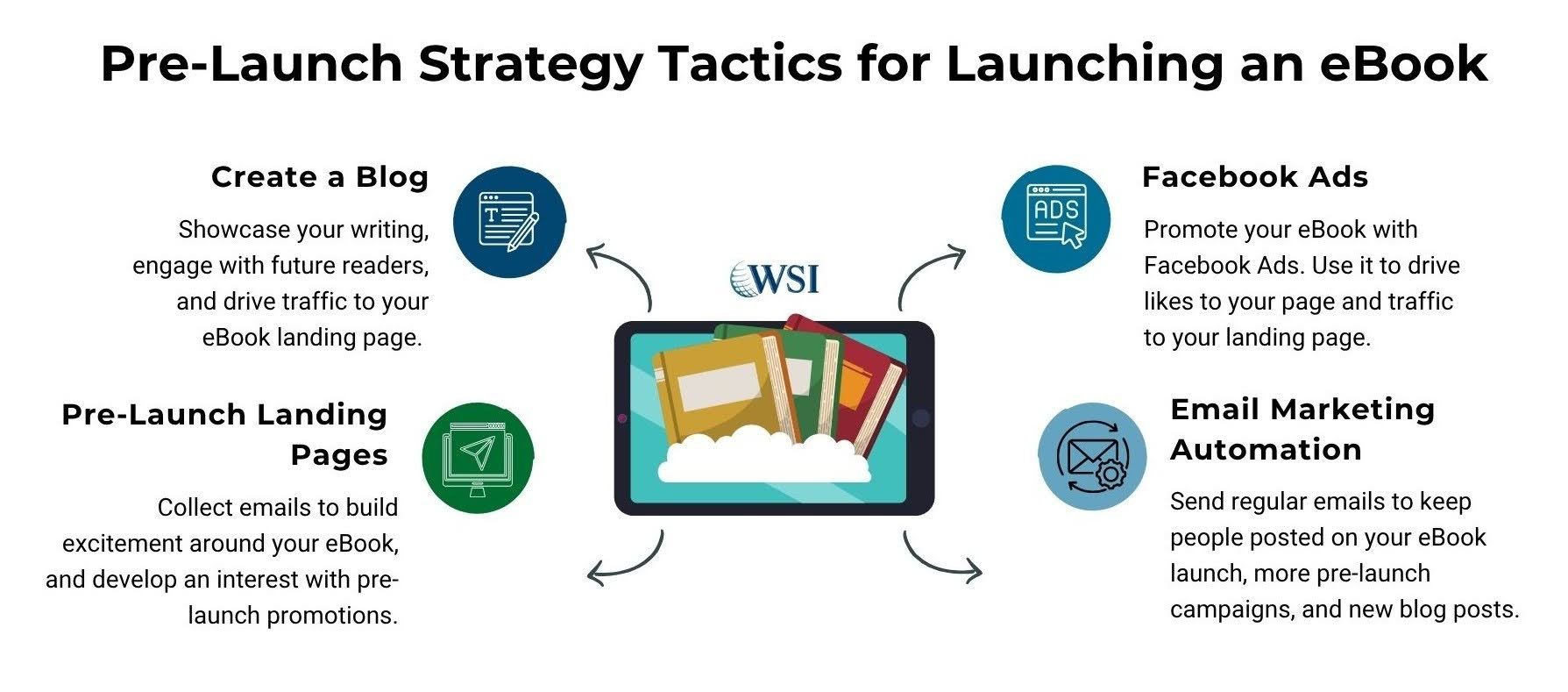
Aside from book editing, the title (critical to selling your book and SEO), and the book cover, there are several eBook promotional steps you need to take.
1. Create a Blog
Make sure your site has a blog since that gives you the chance to showcase your writing, engage with future readers, and drive traffic to your eBook landing page. Remember to enable comments and include social share buttons in all your blog posts to encourage reader engagement.
2. Start Marketing with Pre-Launch Landing Pages
Collecting emails is the most effective way to build excitement around your eBook. It is also a great way to develop an interest in your book with pre-launch promotions. The best way to do this is through email-gated landing pages. eBook promotions can help you generate all that important buzz before publishing. The more excitement you can generate leading up to your launch, the better your product's chances for success.
3. Hyper-Target Your Reach with Facebook Ads
Facebook Ads can be an extremely effective method for promoting an eBook, raising awareness about your eBook, and getting more Likes for your page. The ability to hyper-target your advertising to reach your desired demographic makes Facebook Ads an incredibly reasonable ad spend. Use Facebook Ads to drive likes to your page and traffic to your email-gated pre-launch website landing pages.
4. Send Out Email Marketing Automation Campaigns
When you get lead information from people interested in your upcoming book, it is the perfect opportunity to stay in touch. Send regular emails to keep people posted on your eBook launch, more pre-launch campaigns around your eBook, and new blog posts, and invite them to connect with you on your social sites as well. With email marketing automation campaigns, you can even send pre-written emails to be triggered and delivered at timed intervals. The more people get to know you and your work, the more likely they will want to buy your book to support your efforts. Email marketing automation campaigns will continue building buzz about your book launch.
Promoting an eBook When You Don't Have Money for Advertising
Here is how to write the eBook, alongside all the tools the digital world offers, and use different platforms and techniques to make your eBook popular.
1. Create a Killer Landing Page
Your eBook marketing technique's primary goal is to drive people to the eBook landing page so they can then download it. Take your time, brainstorm, research your prospects' pressure points, and write compelling copy about it. If your eBook is prepaid, link the landing page to a payment gateway. Remember to link to your eBook using your landing page's all-important social sharing buttons.
2. Promote it Within Your Website
Before going all out on promoting your eBook on different platforms, you first need to be familiar with optimizing your current platform to encourage visitors to download your eBook.
- Add a pop-up eBook banner to your blog.
- Place 'Download the eBook' CTAs in your top-performing posts wherever relevant.
- Create an eBook slide for your homepage if you have one or a sidebar callout.
3. Use Supporting Content Formats
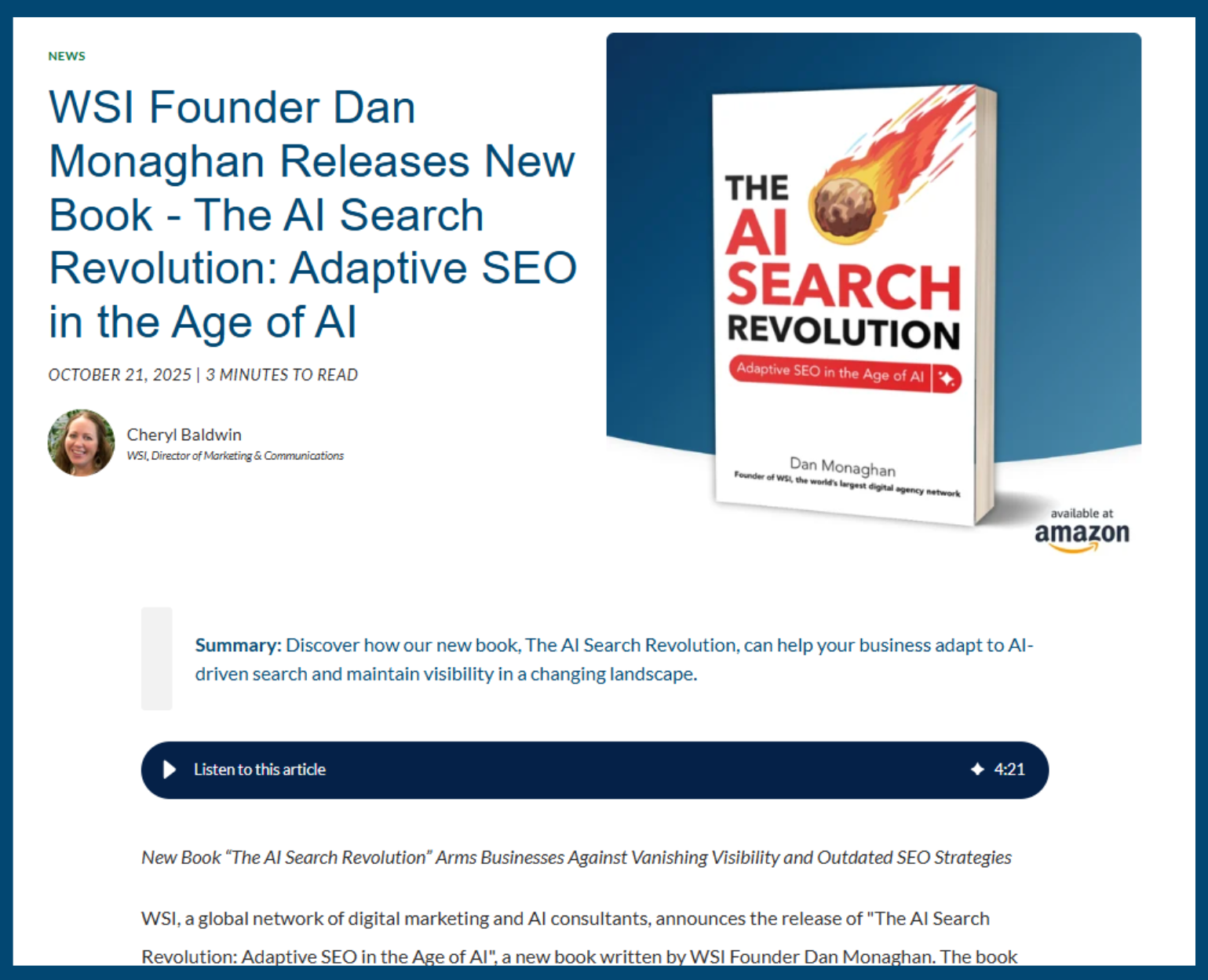
After creating your eBook, write a few blog posts that complement or relate to your eBook. You can repurpose some of the content from the eBook for your audience. These posts will help build a marketing presence, establish you as a thought leader on the subject, earn your readers' trust, and further compel them to download the eBook. You can also try keyword-optimizing the posts' content to convert more website traffic. Not everyone may want to go directly to the landing page and download the main asset. However, by promoting other posts alongside your eBook, you will give visitors a different reason for them to check out your site. Once you have written your blog posts, be sure to place the eBook CTAs at the end of each article.
4. Go All-Out On Social Media
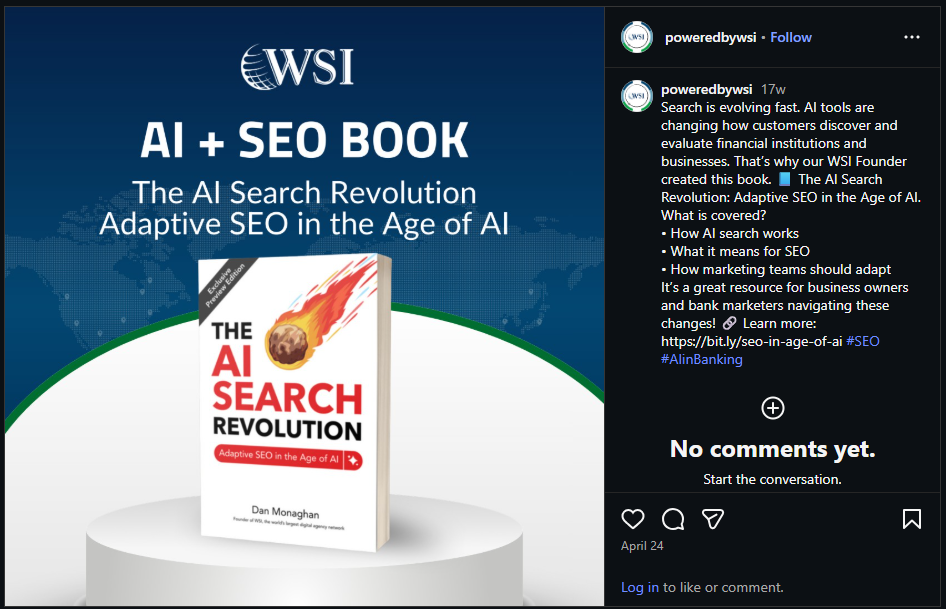
Promote your eBook in front of audiences using social teasers as a crucial part of your overall eBook social promotional campaign. Content on your social media can include actionable tips, quick how-tos, and key quotes from your eBook containing insights. Promote your eBook on various social platforms such as Facebook, X (formerly Twitter), LinkedIn, Pinterest, Instagram, YouTube, SlideShare, Quora, and Reddit.
5. Explore Other Digital Media Content-Sharing Platforms
Social media is not the only place to capture your target audience's attention. There are several digital platforms where you can share or submit your content marketing efforts and subsequently drive a sizable amount of traffic back to your new eBook landing page. Consider using platforms such as Medium, Scoop.it, and StumbleUpon. The best thing about these sites is that they are free.
6. Use Free Tools to Make Your eBook Go Viral
Viral Content Bee is an excellent free social media promotion tool where you earn credits when you share others' posts, as do they when they promote your marketing campaigns. The truly remarkable thing about this tool is that it allows you to select which social platforms you want your type of content to be shared. Pay With a Tweet is another useful tool to make your eBook go viral on social media. This tool allows people to access your eBook's content for free in exchange for a social post on Facebook, X (formerly Twitter), LinkedIn, Xing, or VK.
7. Try Guest Blogging on Authority Sites
Guest blogging is one of the most popular methods used by authors from all walks of life to promote eBooks. Not only does it enhance your authority and reach, but it also promotes your resources to those who are interested and passionate about your subject. Make a list of all the sites with good online authority, and then pitch a few guest posts related to your content marketing.
8. Invest Time in Traditional Email Outreach
Email marketing is still alive and kicking. If lead generation is your primary goal, promoting your eBook instead of your main product makes you look less sales-like and more helpful in your cold emailing campaigns.
Getting Your eBook to the Top of Amazon
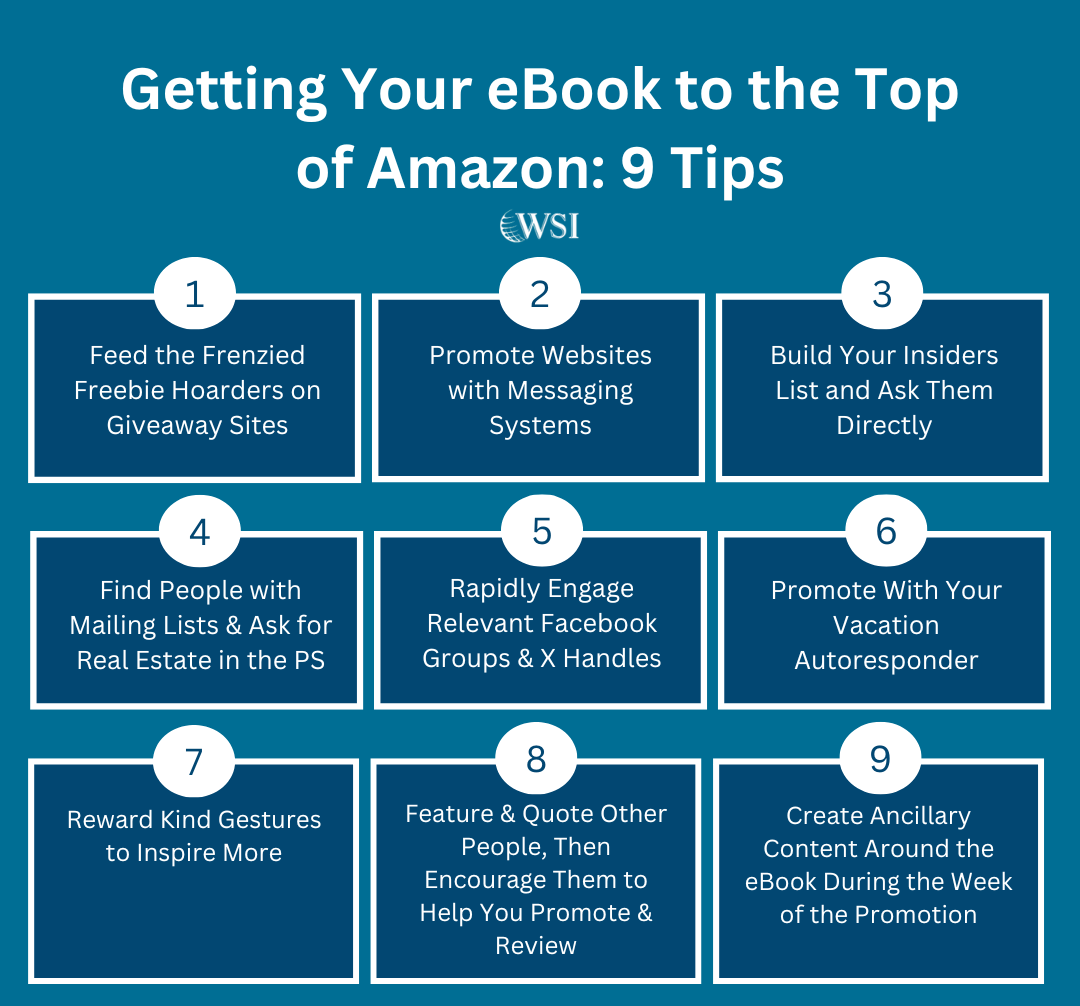
The best way to win on Amazon is to rank for keywords within specific Kindle categories. Ranking well in the Kindle Store allows your content to be discovered long after putting in the initial marketing effort. That is why optimizing for keyword and category ranking is the way to go. eBook marketing campaigns play a pivotal role. Take a look at these tactics for marketing your eBook.
1. Feed the Frenzied Freebie Hoarders on Giveaway Sites
There are many sites out there where people hang out all day and collect free stuff to occupy space on their hard drives, making this a nifty way of driving downloads, which is a critical factor in ranking high. You should find the most popular section on each site where you can gauge what the target audience finds interesting and then calibrate your copy and positioning accordingly to maximize engagement.
2. Promote Websites with Messaging Systems
Many people do not have a blog or mailing list but have access to an on-site messaging system, which all boils down to pretty much the same thing. Either way, all site users receive push notifications. On-site messaging platforms can sometimes be email lists 2.0.
3. Build Your Insiders List and Ask Them Directly
Keep an ongoing spreadsheet of family, friends, and lifelong learner readers, and then message them personally with the eBook promotion. Whenever you need others' support for a project, go through this insider list to see who might mutually benefit from getting access to something in exchange for a favor (like an Amazon review).
4. Find People with Mailing Lists and Ask for Real Estate in the PS
If you have a mailing list, you will want to email your subscribers about reading your book. If you do not want to give a mighty effort, try to find people with other mailing lists to share your eBook. The challenge is that many people hesitate to mail their lists promoting someone else's product, especially when they are not making much money as an affiliate. One marketing strategy to try today is to ask if they can promote you in the "PS" section of an existing email they will send.
5. Rapidly Engage Relevant Facebook Groups and X Handles
With free Kindle promotions, many different X and Facebook groups are dedicated to featuring free books to their audience. These are the perfect places to promote your book.
6. Promote With Your Vacation Autoresponder
The critical element of your autoresponder is your title. You want to tell people you are "Launching an eBook" in the title. Launching a book does not happen every day, and the people who email you are bound to open your email to see what this eBook fuss you are talking about is. It's one of the best ways to notify them when the eBook is available.
7. Reward Kind Gestures to Inspire More
Verbally rewarding the actions you want others to take often begets people to take that action. Understanding and leveraging this social dynamic can inspire people in your network to leave positive reviews of your successful eBook. Publicly thank everyone who downloaded your book and individually highlight all those who left you a review.
8. Feature and Quote Other People, Then Encourage Them to Help You Promote and Review
The more people you can involve in the creation process, the more likely they are to help your eBook get the attention it deserves. Seek opportunities to feature other people, products, and services in your eBook, and then let them know you included them. The hope is that this will inspire them to help you promote it.
9. Create Ancillary Content Around the eBook During the Week of the Promotion
The content you create to drive downloads and reviews to your book should not stop with an "announcement" blog or social media post. There are many ancillary topics around your eBook that you can release after the initial launch to drive downloads and reviews. Videos on YouTube, SlideShare presentations, and other blog posts are a great starting point. eBook marketing strategies include sharing proprietary information about the process. Another useful piece of content you can use is updated progress reports on the book's success.
Bring Your eBook to Life with Video Marketing
As you likely know, people are watching videos more than reading, which is why you should add stories, interviews, and how-to videos inside your eBook to attract even more interest. There is no better tool than video to fuel your business and multiply video impact than live streaming. Since video marketing dominates nearly all online communication channels, it is essential to consider how you can capture your audience's attention to lead them to your eBook without spending a fortune on ads. You will gain fast results if you live-stream your eBook content on YouTube, Facebook, or Instagram. Choose a platform where your audience spends their time.
More Ways to Turbocharge Your eBook Marketing
Smart eBook marketing techniques will work like a charm to bridge the gap between readers' unmet desires and your eBook's ability to satisfy those desires. Here are a few effective eBook marketing strategies you should implement immediately, at no cost.
1. Start with Pre-Orders
A pre-order is simply an advance listing of your eBook at major retailers. Authors who list their eBooks in advance will sell more books, period. Pre-orders enable more effective advanced marketing results. When pre-orders are live, authors can start marketing their eBooks up to 12 months before release, even before they have finished writing them, by making a call-to-action part of their message. If you are like most writers, you can already tease your readers on social media about your work-in-progress. By including a pre-order link, you can capture their order the instant you command their attention and interest.
2. Create a Private Email List
All authors should maintain a private email list. Your list gives a direct, unfiltered communication channel to your readers. Never add anyone to this list without first obtaining their permission. You need to use an email list management tool to create a quality list that is 100% opt-in. You need to create a quality list that is 100% opt-in. Once you have subscribers, respect their inboxes and treat them like royalty. Offer them early notifications of your upcoming releases for presale or exclusive sneak peeks such as excerpts. Use an email list-management tool to build, manage, and track subscriber sign-ups, and create and send professional-looking emails.
3. Update Your Email Signature
You most likely compose dozens of personal emails every week, conversing with family, friends, and readers. Each of those emails represents an opportunity to remind recipients that you are an author and have a great eBook they may want to read or recommend to their friends, as well as social media channels they may wish to follow, which is where the email signature comes in. An email signature is a short block of text that you can set to append automatically to the bottom of every message you compose. It is simple, polite, and unobtrusive.
4. Add Enhanced Back Content
Put yourself in your readers' shoes. They finished reading you for the first time, and now you are their new favorite author. They want more from you. They want to connect. Make it easy for them by including a printed version of your eBook option or connecting them to your content marketing strategy.
5. Consider Giving it Away
Offering free books, novellas, or series starters can help attract new readers. A free title in exchange for an email address or review reduces the risk for readers trying a new author. Once they trust your writing, they are more likely to buy your other books.
The same applies to marketing strategies. The main goal is to generate qualified leads, but smaller steps help move prospects forward.
Our first step is encouraging users to download our 30 Greatest Lead Generation Tips, Tricks & Ideas eBook. It provides free, practical advice and shows our audience that we understand lead generation.
The goal is to turn eBook downloads into marketing opportunities, leading prospects toward pre-launch campaigns or direct contact with our team.
The eBook Marketing Strategy
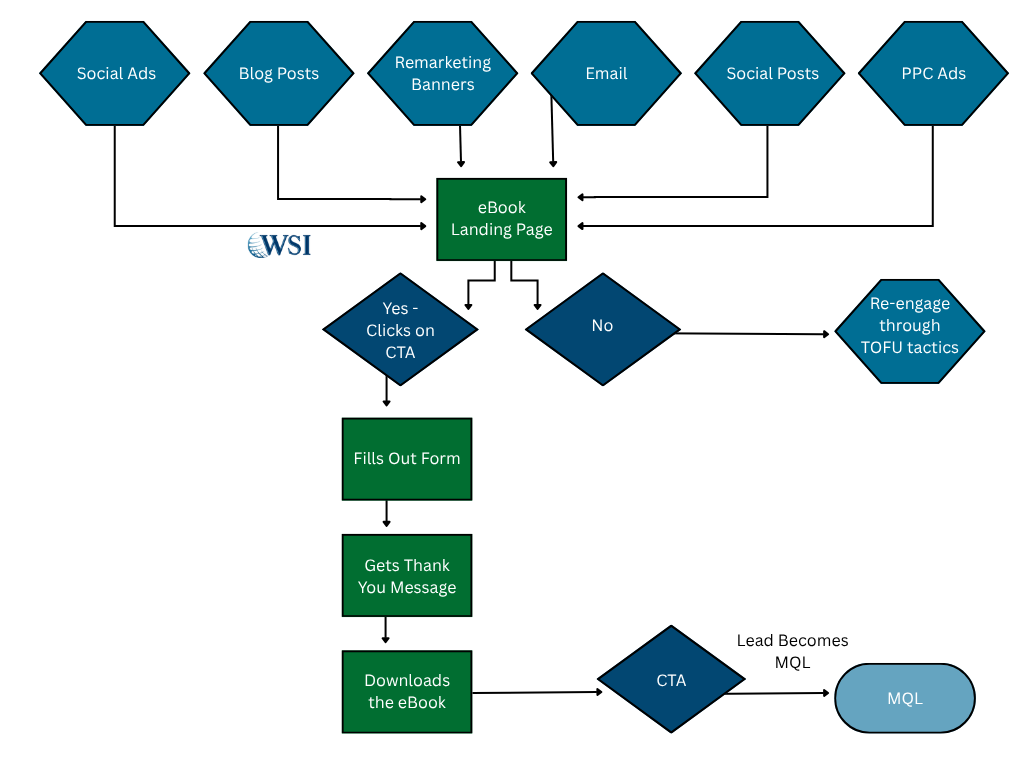
A clear goal makes marketing decisions easier. Instead of hoping visitors take action, define what you want your audience to do, such as downloading your eBook.
Our eBook marketing strategy is simple: use the channels where our audience spends time to drive downloads, then give those readers an easy way to contact us when they need help.
The strategy uses a mix of tactics, including social ads, blog posts, remarketing, email, social media, and PPC. Together, these channels attract interested prospects and guide them through our marketing funnel.
Using multiple tactics is not a problem when each one has a purpose and your team can manage them effectively. The key is choosing the right channels and keeping them aligned with your goal.
The Execution
Ah, the most important part of any marketing strategy is execution. More than the strategy and tactics phases, this is where things can go awry, mainly because it involves the doing.
That image of our eBook marketing strategy laid out on paper? That’s easy to do. Technically, you could do that in MS Paint.
Executing that strategy, however, is another story.
We had a designer, a campaign coordinator, a writer, and a social media marketer work on the initial components of the strategy, like email content, design layouts, social posts, and spreadsheets with timelines and responsibilities. Each of these team members continues to work on the strategy, writing and scheduling blog and social posts, running ad campaigns, tweaking landing pages, troubleshooting ad hoc issues, and, most importantly, handling qualified leads as they come in.
If that sounds like a lot of work, trust us, it is. But you know what? It’s worth it, and we believe the results will speak for themselves.
Common Ebook Marketing Mistakes to Avoid
- Running too many tactics at once. More channels are not automatically better if your team cannot maintain them consistently. Pick the ones your audience actually uses.
- Skipping the pre-launch phase. Waiting until launch day to start building an audience leaves you starting from zero.
- No clear next step after download. If a downloaded ebook does not lead to an easy way to ask for help, the lead has nowhere to go.
- Promoting on outdated platforms. Confirm every channel on your list is still active before you invest time in it.
An ebook download should be part of a larger customer journey. Add a clear next step, such as subscribing to relevant emails, exploring related resources, booking a consultation, or learning more about your services. Without a follow-up path, valuable leads may be missed.
What Can You Do?
For marketers and teams who have never attempted a strategy of this scale, there’s no shame in starting smaller, especially if you have fewer available resources. If you have the means, though, the more people you can attract and dump into the funnel, the better.
For businesses without the time or resources to implement any kind of dedicated marketing strategy, don’t let that get in your way. Before you go running for the hills, consider this: digital marketing is an investment, not an expense. In fact, an eBook is one crucial aspect of expanding your business. A strategy doesn’t have to be expensive to be effective, but in any case, the whole idea is that you'll get your investment back.
Rather than assuming you can’t afford it or waiting until next time, it can’t hurt to find out what we can offer you right now. We’d love to help you create and deliver a strategy; all you have to do is ask!